A Guide to Traveling Internationally With Medication
Last Updated:September 13, 2026
Traveling abroad is one of life’s greatest joys—whether you are exploring ancient temples in Kyoto, attending a summit in London, or relaxing on a beach in Costa Rica. However, if you rely on daily medication, traveling internationally with medication requires an extra layer of pre-departure preparation.
What is considered a routine prescription, over-the-counter (OTC) remedy, or wellness supplement in your home country might be strictly controlled, heavily regulated, or even illegal in another. Navigating customs with medication does not have to be intimidating, though. Clear documentation and an understanding of international regulations can help you to embark on your journey with complete peace of mind.
Essentials When Traveling Internationally with Medications
When traveling with prescription drugs, your primary goal is simple: prove beyond a shadow of a doubt that the medication is legally prescribed to you by a licensed medical professional for personal health reasons.
Keep Everything in Original Pharmacy Packaging
Never transfer your pills into daily multi-compartment pill organizers before flying internationally. Always keep all medications in their original, pharmacy-issued containers with official labels intact. The label must clearly display:
Your full legal name (matching your passport exactly).
Your prescribing doctor’s name.
The exact drug name (both brand and generic) and precise dosage instructions.
Carry an Official Doctor’s Letter
For extended trips or critical health conditions, ask your physician for a formal letter on official office or clinical letterhead. The letter should detail your diagnosis, the generic and brand names of all prescribed drugs, exact dosages, and the total quantity you are carrying.
Pro Tip: Check the "30-Day Rule"
Most nations permit travelers to carry up to a 30-day supply of personal prescription medication without prior import permits. If your itinerary requires a 60- or 90-day supply, you may need to apply for an official import certificate from the destination country’s Ministry of Health prior to departure.
Research Destination Restrictions
Never assume an FDA- or EMA-approved drug is universally legal. For instance, common ADHD medications containing amphetamines (e.g., Adderall) or methylphenidate (e.g., Ritalin) are subject to severe restrictions or total bans in countries like Japan and the UAE. Always check official destination guidance before departing. A key starting reference is the U.S. Department of State - Your Health Abroad portal.
Flying with Specialty Medications: GLP-1 Injectables & Biologics
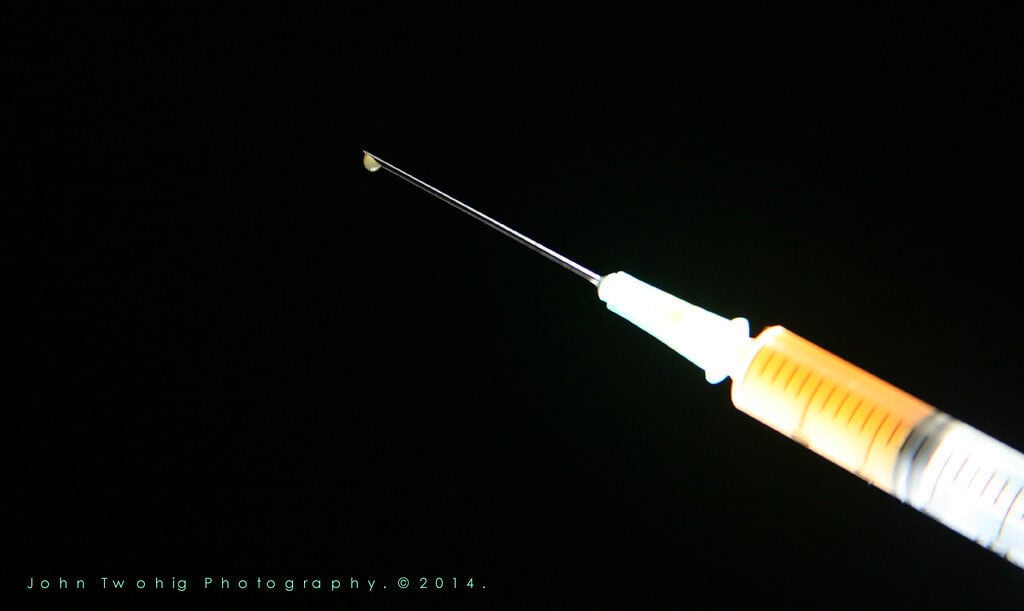
The rapid rise of GLP-1 receptor agonists (such as Ozempic, Wegovy, Mounjaro, and Zepbound) and other biological medications has introduced a new and unique set of logistical questions for most travelers. Because these medications are administered via pre-filled pen injectors or by self-injection via vial and syringe, they often require temperature control and special handling is necessary.
Temperature Regulation Strategies
Most GLP-1 medications state that they must remain refrigerated between 36°F to 46°F (2°C to 8°C) prior to their first use, but can remain at controlled room temperature (up to 86°F/30°C) for up to 21 to 56 days depending on the specific brand. If traveling through warm climates or taking long-haul flights:
Use a specialized medical-grade travel cooling pouch or insulated case.
Keep gel ice packs frozen solid.
Important Gel Pack Security Rule:
Ice packs and gel packs are generally permitted through airport security screeners as long as they are completely frozen solid when passing through the checkpoint. If they are melted or slushy, airport screeners may confiscate them under liquid volume limits. Review the official guidance on theTSA Medication & Medical Equipment Rules.
Handling Needles and Syringes
When traveling with unused needles, auto-injectors, or lancets, ensure they are stored alongside the corresponding injectable medication bearing your matching prescription label. Declare your GLP-1 or injectable medication to airport security officers prior to bag screening.
Over-the-Counter (OTC) Medications: Surprising Global Restrictions
It is easy to assume that if a drug is sold freely on pharmacy shelves without a prescription in your home country, it is harmless to travel with. However, OTC regulations vary dramatically around the world.
Common OTC Medication
Active Ingredient
International Travel Considerations
Decongestants (Sudafed, Actifed)
Pseudoephedrine / Ephedrine
Strictly prohibited or tightly regulated in Japan, Mexico, and Zambia. Can result in detention.
Pain Relievers (Nurofen Plus, Codral)
Low-dose Codeine
Banned or prescription-only in Greece, UAE, Japan, and Australia without explicit permits.
Sleep Aids (Benadryl, Unisom)
Diphenhydramine
Restricted or banned in certain East Asian destinations in large quantities.
Motion Sickness (Dramamine)
Dimenhydrinate
Generally permitted; keep in original blister foil packs for fast customs inspection.
Always keep OTC medications in their original factory blister packs or boxes. If you rely on specialized OTC remedies, consult the CDC Travelers' Health Directory for country-specific health notices and advisory updates.
CBD, Cannabis, and Controlled Substances: High-Risk Warnings
Perhaps no area of travel law generates as much confusion—and legal jeopardy—as cannabis, hemp derivatives, and CBD products. Even as legislation liberalizes in various states and nations, international borders remain strictly controlled federal zones with zero-tolerance policies.
CBD Oils and Hemp Derivatives
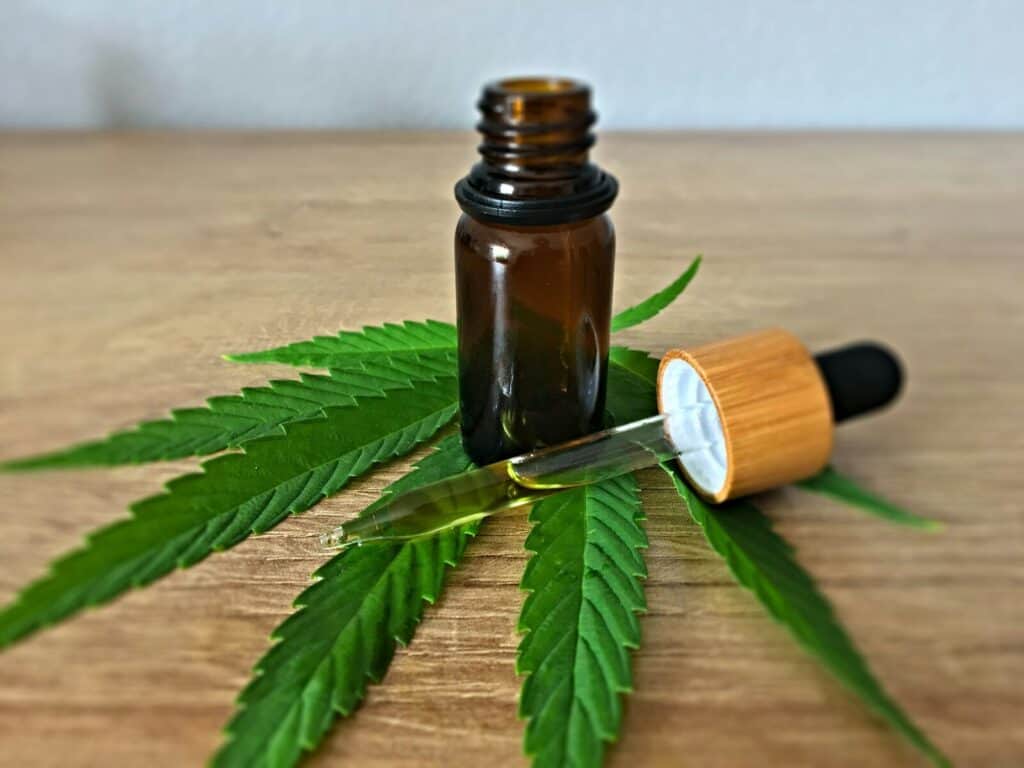
Even if your CBD oil is full-spectrum, broad-spectrum, or derived strictly from industrial hemp containing under 0.3% THC, carrying it across international borders is extremely risky. In destinations such as Singapore, Japan, the UAE, and Saudi Arabia, hemp extracts and cannabinoids fall under strict anti-narcotic laws. Possession can lead to immediate arrest, heavy fines, deportation, or lengthy imprisonment.
Medical and Recreational Cannabis
Having a valid state-issued medical marijuana card or traveling between two jurisdictions where cannabis is legal (e.g., flying from Canada to Thailand) does NOT legalize crossing international borders with cannabis. International aviation and border crossings are governed by strict international treaties. Always leave all cannabis products—including vapes, edibles, and topicals—at home.
Practical Logistics: Packing, Air Travel & Emergency Planning
Beyond legal compliance, smart packing habits ensure your medical routine remains uninterrupted:
Always Pack 100% of Medication in Carry-On Luggage: Never pack essential medications in checked baggage. Luggage can be delayed, lost, or subjected to extreme cargo-hold temperature fluctuations that degrade chemical compounds.
Account for Time Zone Shifts: If you take time-sensitive medications (e.g., insulin, heart medication, or birth control), consult your doctor about adjusting your schedule across multiple time zones. Gradually adjust dosage timing during long transit days.
Keep Digital Copies in Cloud Storage: Take clear photos of all prescription labels, doctor letters, and health insurance cards. Store them securely on your phone and in cloud storage.
Translate Key Medical Info: If traveling to a region where English is not widely spoken, translate your key diagnosis and generic drug names into the destination language.
GLP-1s and injectables packed in carry-on with frozen ice/gel packs and prescription receipts.
All CBD, hemp, and cannabis products left completely at home.
Digital copies of all medical documents uploaded to secure cloud storage.
By taking a proactive approach to preparation, you safeguard your health, avoid legal complications, and ensure a smooth, worry-free journey anywhere in the world. Safe travels!
Disclaimer:The authors and publishers of this content are not physicians, legal counsel, or border control officials. Nothing contained in this post is intended to serve as medical diagnosis, treatment guidance, or legal representation. Travel laws and pharmaceutical regulations vary by jurisdiction and are subject to change without notice. Readers are advised to confirm all medication policies directly with their healthcare providers and destination country embassies prior to departure. The publisher assumes no liability for actions taken based on the information provided herein.
Florida Seller of Travel Reg. No. ST46640 / CST # 2157730-70 Registration as a seller of travel does not constitute approval by the State of California